

Sedimental Works
How Carhartt’s Active Jacket moved from functional workwear to cultural archive

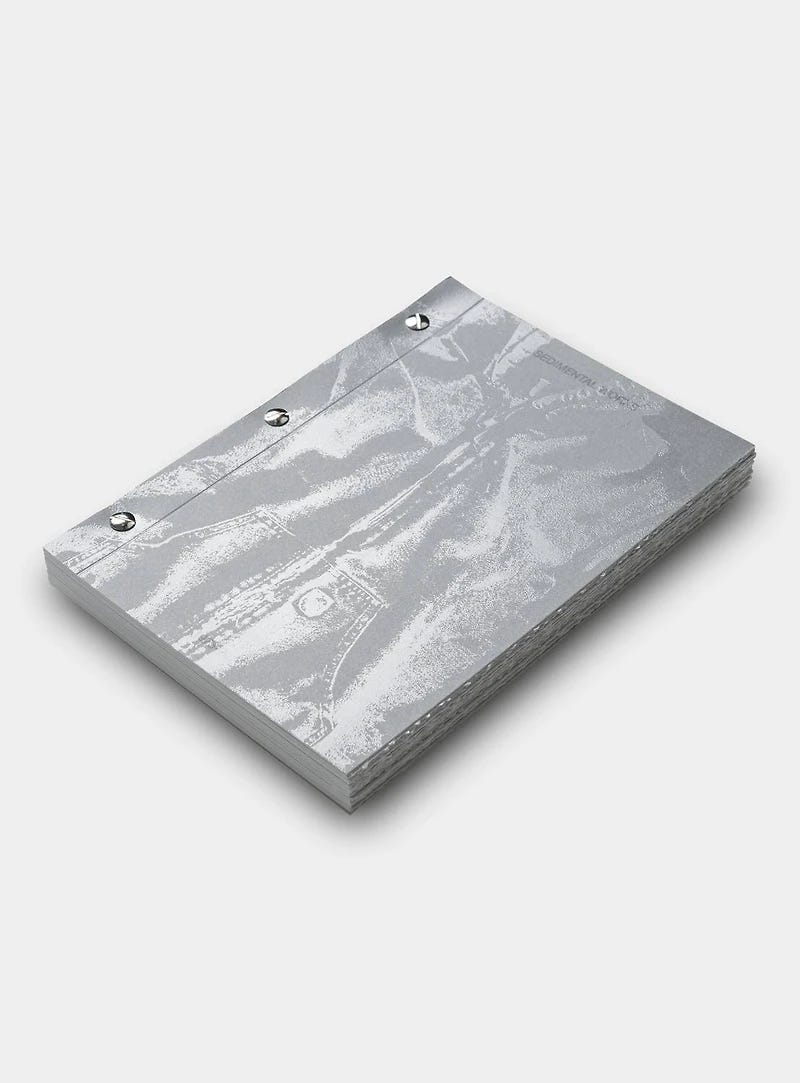
love the idea of the archive. Products made for function first, then made iconic by the people who take them on, live in them, and give them meaning over time.
That thinking always takes me back to the idea of fabric as evidence. Not in a literal sense, but in the way something like holy relics (i often ref weird things) represents cloth altered by presence and movement rather than intention. Material shaped by life. The things you do leave marks. Skating until the cuffs soften. Cycling with the same friction points day after day. Keys slowly wearing through pockets, wallets pressing their outline into canvas and denim, creases forming where the body bends, fading where hands return again and again. All of it personalised, earned. That’s why I’ve never understood pre-distressed clothing. I’d rather wear something second-hand, or better still, let a garment record its own history and tell the story of the person who lived in it.
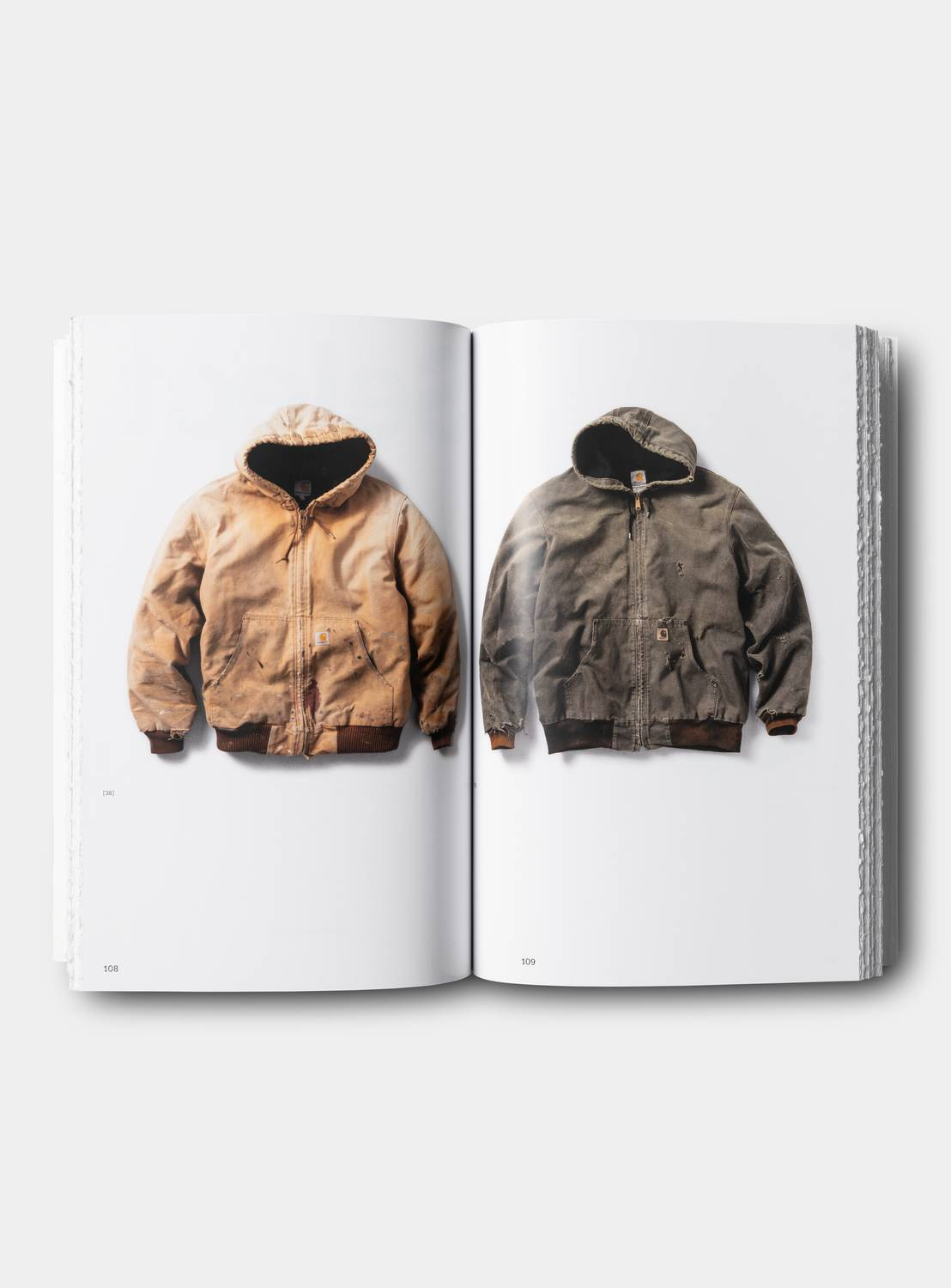
That story starts in 1975, when American workwear brand Carhartt, already known for its rugged, no-nonsense approach to clothing, introduced the Active Jacket. A hooded, zip-up silhouette cut from reinforced canvas, it was designed to do one job well: protect the wearer from the elements. It belonged on construction sites and factory floors, built for labour rather than attention, for durability rather than style.
What followed wasn’t reinvention, but endurance. For decades, the Active Jacket stayed in production, quietly evolving while remaining fundamentally the same. It moved beyond work and into the hands of subcultures who recognised its utility and made it their own. Protest, music, skateboarding, street style. The jacket became armour, statement, and quiet code, not because it was marketed that way, but because it proved itself through use.
In 1997, Carhartt WIP marked another shift. The Europe-based sub-brand took the heavy-duty language of the original and reimagined it through lighter fabrics, more refined fits, and a considered silhouette. The function remained intact, but the context widened. The Active Jacket could now move comfortably between labour and culture, between workshop and club, without losing its integrity.
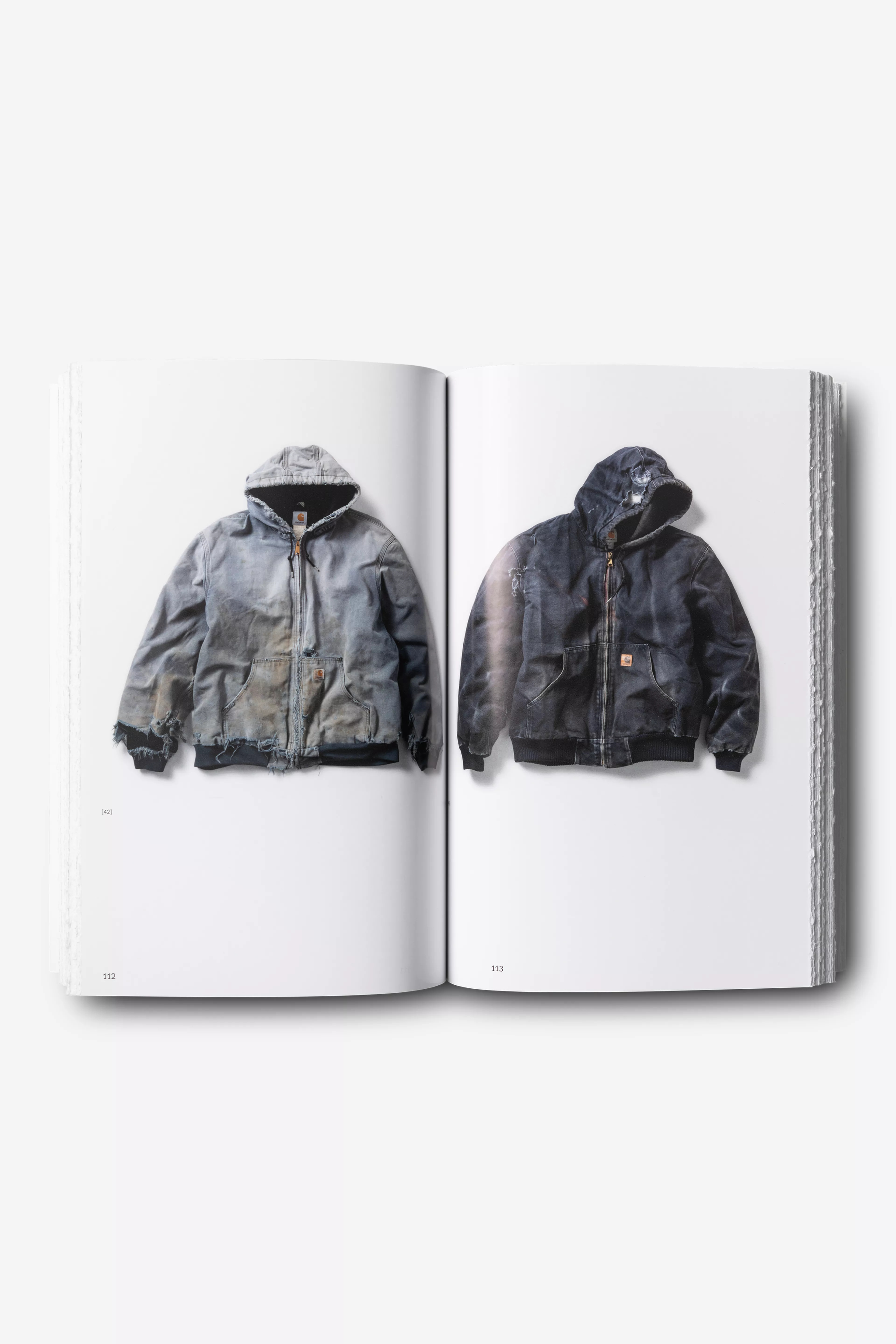
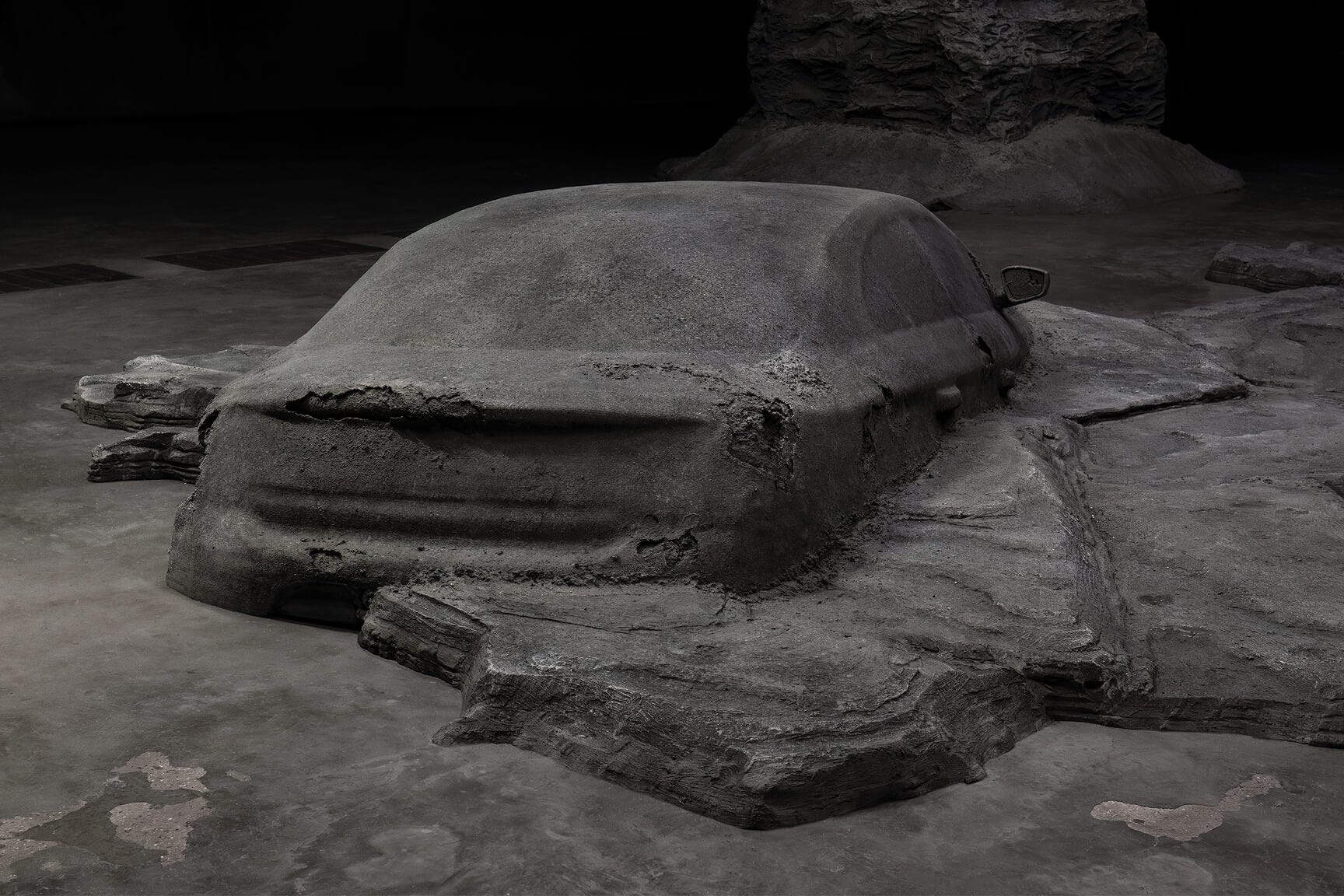
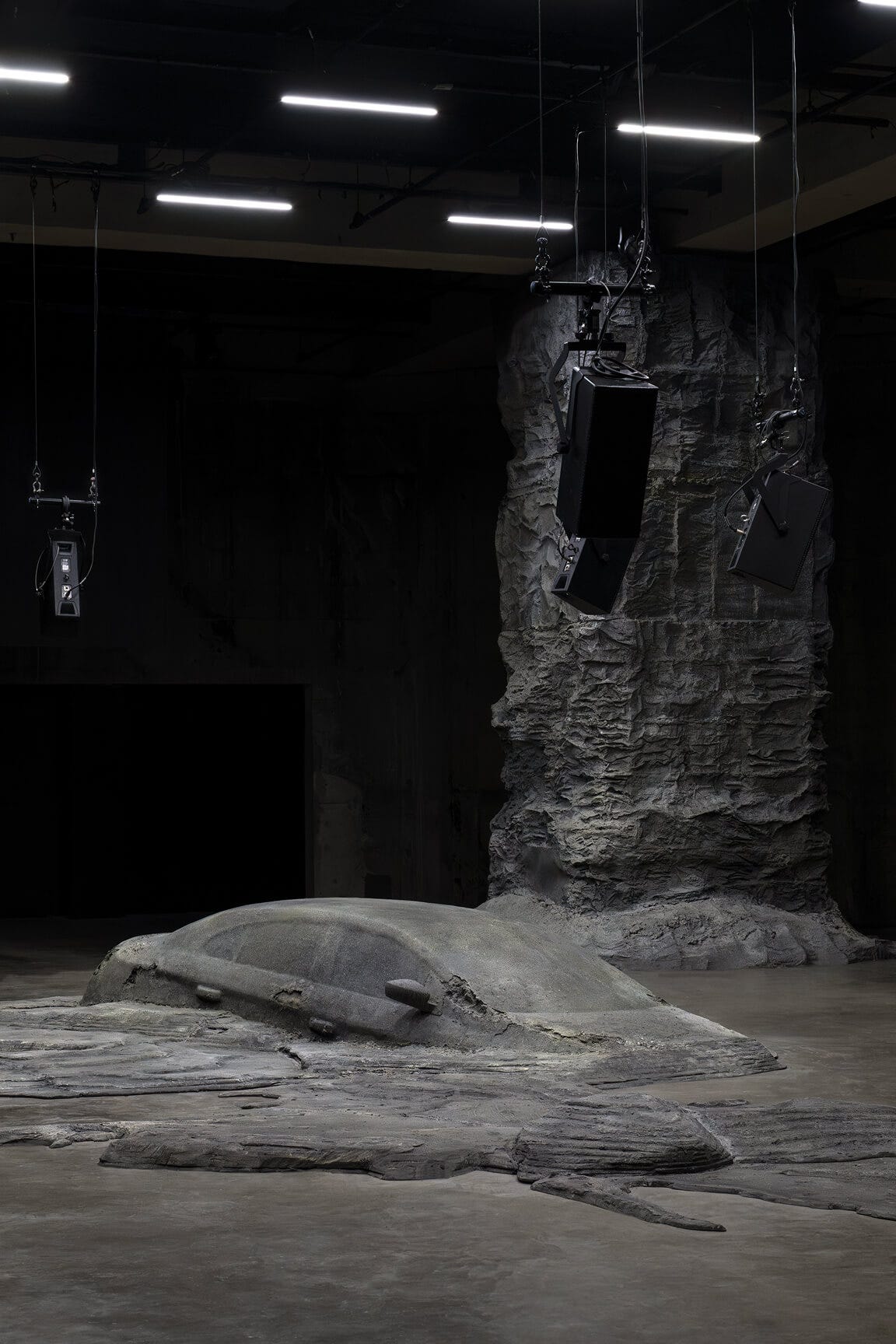
Sedimental Works captures this journey not as a product retrospective, but as a cultural record. By tracing fifty years of the Active Jacket, it shows how relevance is earned through repetition, adaptation, and trust. From Detroit workshops to Berlin clubs, the jacket accumulated meaning simply by being worn, lived in, and relied upon. The wear isn’t damage, it’s documentation, and over time those marks become an archive of who we are.
See link
Inspiration by Mark
Proof through use, love it.