

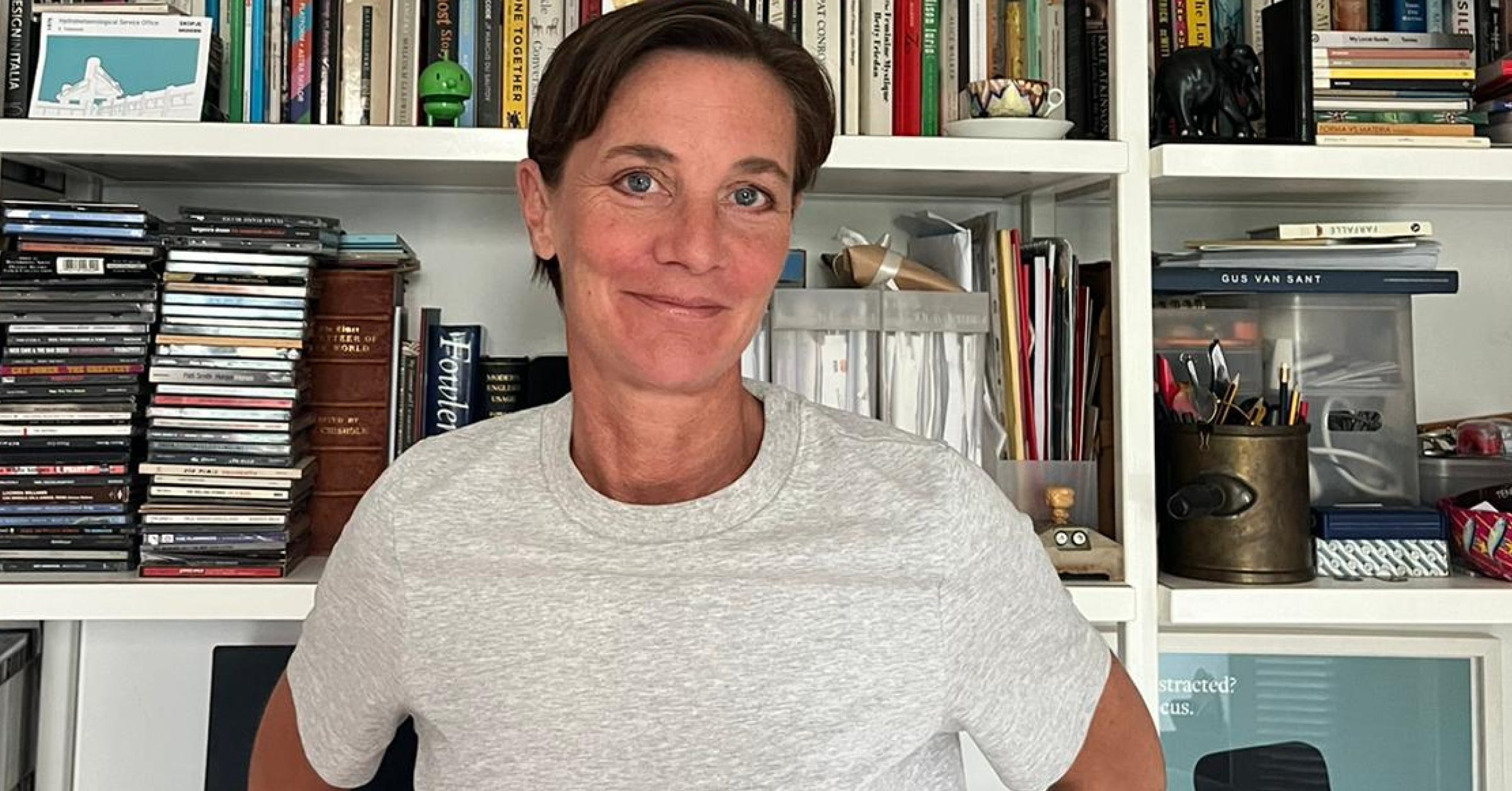
We’ve known and worked with Marcia since the very beginning of our collaboration with Punkt., the Swiss design-led technology company focused on simplifying life and creating a healthier balance between work and living.
From identity to launch assets and packaging, we worked closely with Jasper Morrison and John Tree, who first introduced us to the team. From the start, Marcia was calm and curious in her approach, always pushing for creativity that feels uncomplicated, useful and quietly elegant.
Over the years, we’ve shared many conversations and projects, each one rooted in a shared belief that design should make life better, not busier.
How would you describe yourself, and what drives you?
A continental Brit with a networker’s instinct, hooked on culture and communication, driven by people and time.
What pivotal moments have shaped your journey so far?
It’s hard to single out specific pivotal moments, but professionally, collaborating on the Jasper Morrison exhibition at Somerset House in 2015 for LDF, and with Oliviero Toscani on the pigeon for Communication Simplified, are definitely up there, as are media partnerships with Monocle and Wallpaper magazines.
But the most significant turning points have always been linked to major life choices — moving abroad, learning new languages, adapting to different cultures, taking on new challenges. Each of those experiences brought personal and professional transformation.
Now, having just started RotComm, a boutique PR & comms office offering a pronto-intervention approach for SMEs, with my partner and friend, Tiziana Annone, feels like a pivotal moment.
What is your relationship with Rosie Lee, Unorthodox Blend, and/or Mark & Russell?
I first met Rosie Lee in 2011 when the Punkt technology brand debuted. Alongside the logo, Rosie Lee created this marvellous graphic artwork called Bits n Pieces, which blew my eyebrows off! I hope it’s in a museum somewhere by now.
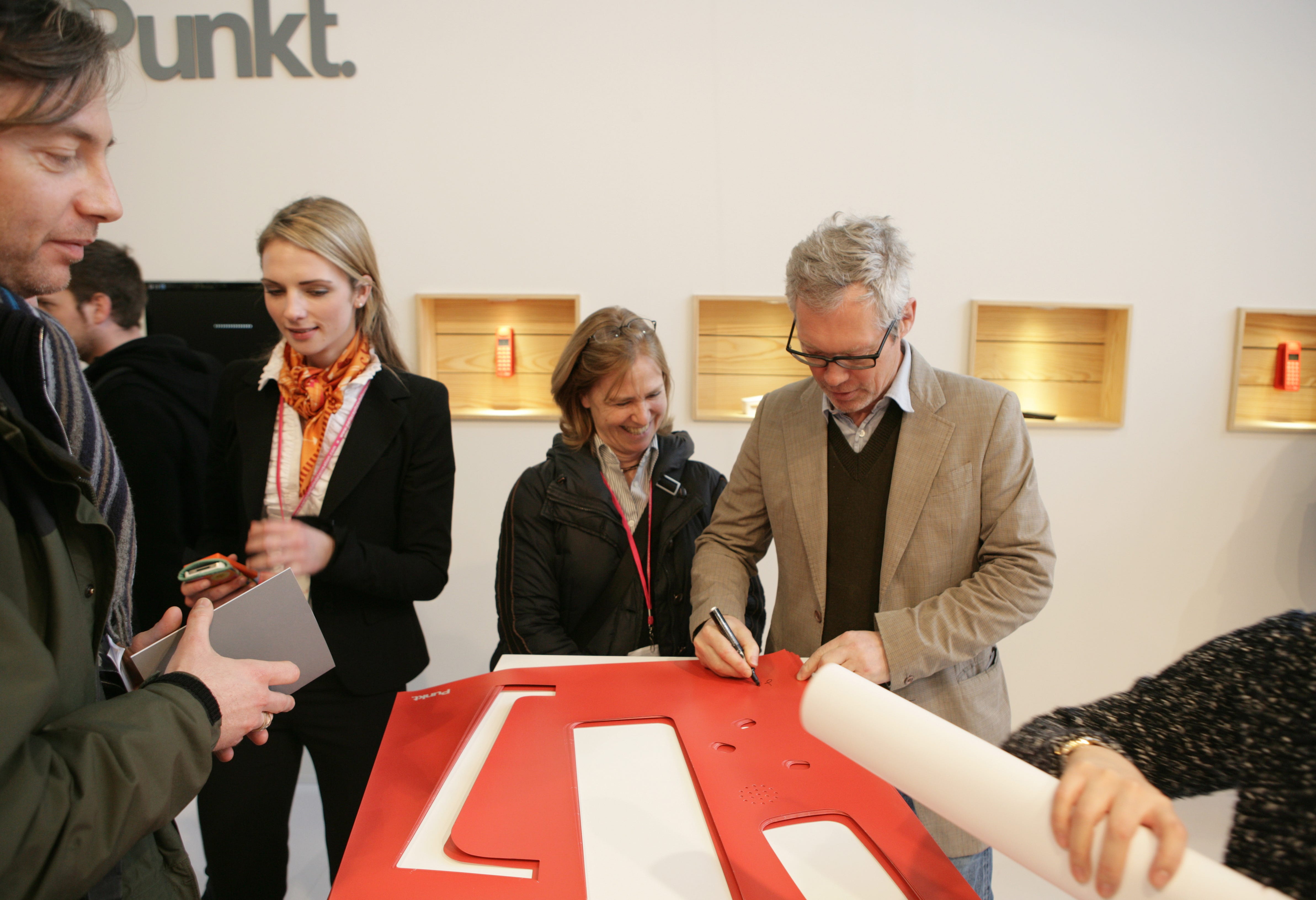
I went on to collaborate with them, and later with Against Time, working with the Swiss company for over ten years.
What has come out of those relationships and collaborations?
Aside from meeting and working with genuinely brilliant and kind people, which is rare and therefore precious, Rosie Lee introduced collaborations with illustrators like Anna Kovecses and Jérôme Masi. That was a first for tech companies at the time, and those campaigns went on to win awards.
What does being unorthodox mean to you in your work?
Everything. The “R” in our logo, RC, stands for “Rotten” — the literal translation of Marcia in Italian (you’re the first to know this!).
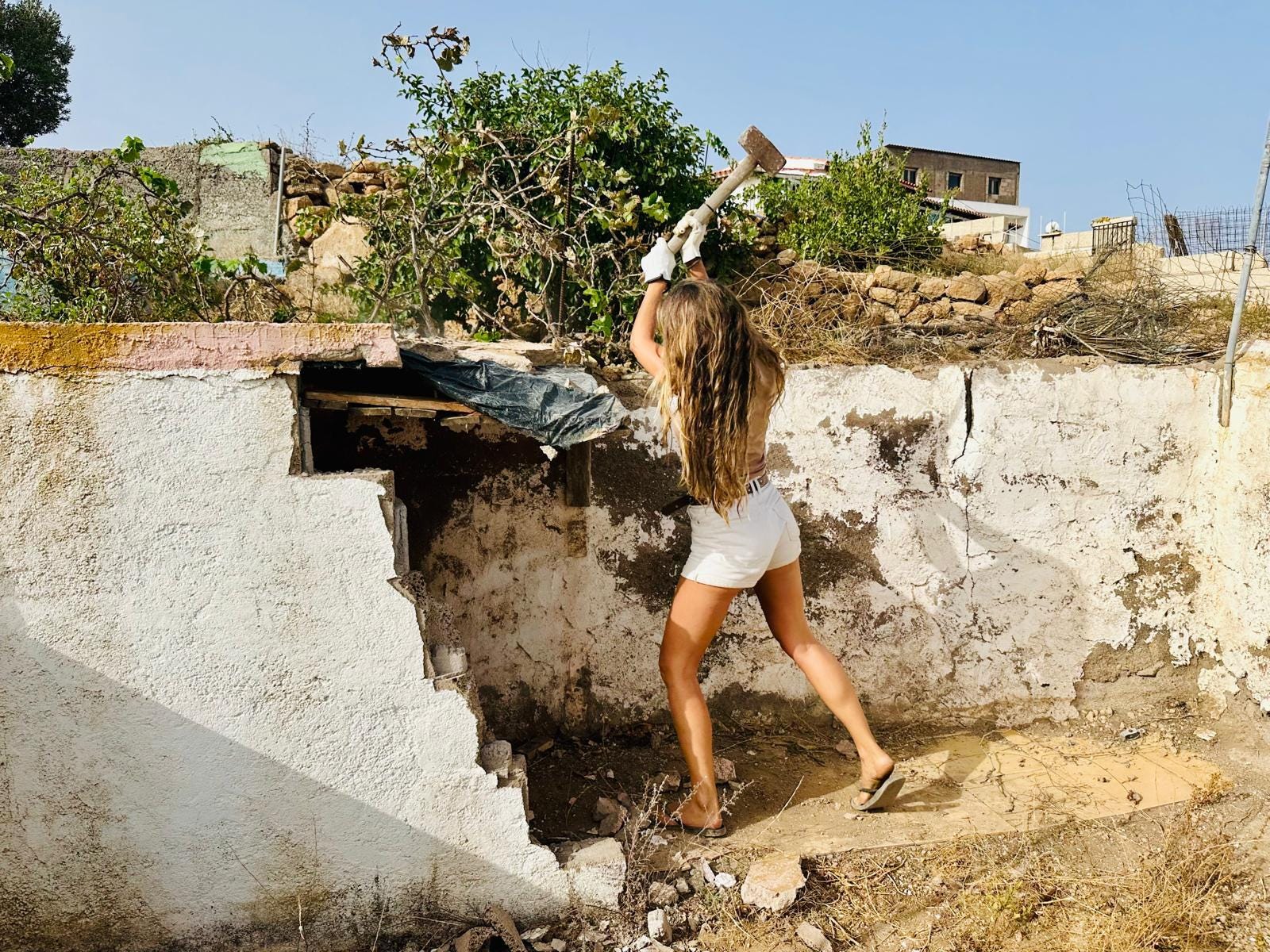
Unorthodox by design, Tiziana is Italian and lives in the middle of the Atlantic Ocean, on the island of Tenerife, where, alongside her work with RC, she is building an eco-farm (“finca”) dedicated to responsible tourism and sustainable living.
Today, I think it’s vital to challenge the status quo, especially as we live in a paradox in which AI tells us to “humanise” comms. Being unorthodox is a vital human trait for life in the 21st century.
What beliefs have guided you through tough decisions?
That the only way is through. Sometimes there are no alternate routes, no shortcuts, no miracles; you just have to take a deep breath and push on through.
I’m not sure that’s a belief, though more of a philosophy. Like the Italian saying tutto passa, which literally translates to “everything passes.”
What challenge in your field of work is often overlooked?
The time it takes. We live in a world where technology has accelerated everything, and now, with the rise of AI, it feels as if things are expected to happen faster than a blink. But that new timetable removes thought from the equation, and it’s crucial to find time to think.
I’d even change the old saying from “time to blink” to “time to think” — that’s how narrow the slot has become. There’s a growing impatience toward reflection, a constant rush to produce, which often undermines the quality of communication itself. The result is what many are now calling AI-generated “workslop”: content created at speed but stripped of thought and substance.
How do you balance creativity with structure — order with chaos?
I’ve always struggled with that balance, but I’m finally starting to make progress. I’ve learned that I have to consciously apply order to my work, set aside time for it and stick to it.
Daily discipline makes balance possible for me. When I follow a routine, everything flows better. When I let it slip, self-discipline starts to leak away and chaos creeps in. And I welcome it in from time to time, as chaos has its plus points too, especially in creativity. But when I need to reset, I consciously re-establish a rhythm that includes not just work, but also a healthy diet, exercise, time in nature, time offline and rest.
What cultural shifts are you noticing in your field of work?
AI has brought a massive cultural shift to communications. It’s fascinating to see how fast it’s evolving, but it’s also taken over much of the work that professional translators, writers, photographers, graphic designers, and copywriters have been doing, and loving, for years.
Many are now having to reinvent themselves after a lifetime in the field, which is both impressive and unsettling. It’s without doubt the biggest transformation I’m witnessing right now.
If you could master any skill instantly, what would it be?
Reading and writing music.
What’s one experience everyone should have at least once?
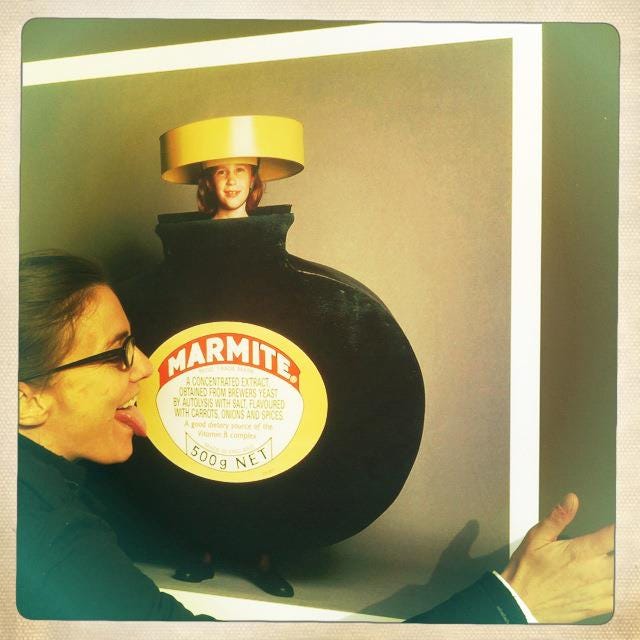
Marmite in England. White truffle on a fried egg in Italy.
Inspirations
The Gambling Animal by Glenn Harrison and Don Ross. I’m only halfway through, but it’s a brilliant and thought-provoking read. It explores how, as a species, humans hold a competitive advantage through our unique ability to take risks. The authors present a comparative study with elephants as evolutionary competitors, much of it told from the elephants’ perspective, which is quite fun.
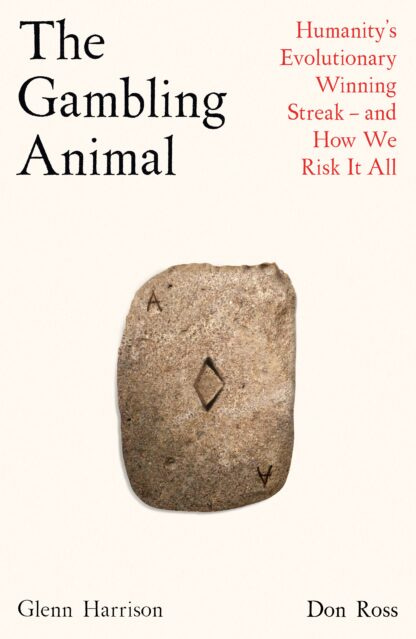
It’s hard to put down. It reminds me of how powerful our frontal cortex is, how we’re hardwired to seek reward against all odds, and how that wiring underpins entire systems, even like marketing.
The collection of anatomical wax models at the Specola Museum in Florence. These life-sized ceroplastic figures from the 18th and 19th centuries, often dissected to reveal muscles, organs and vascular systems, were used to teach medicine without cadavers. It’s inspiring to see how, long before modern technology, people went to great lengths to unite art, science, and research in the service of humanitarian education.
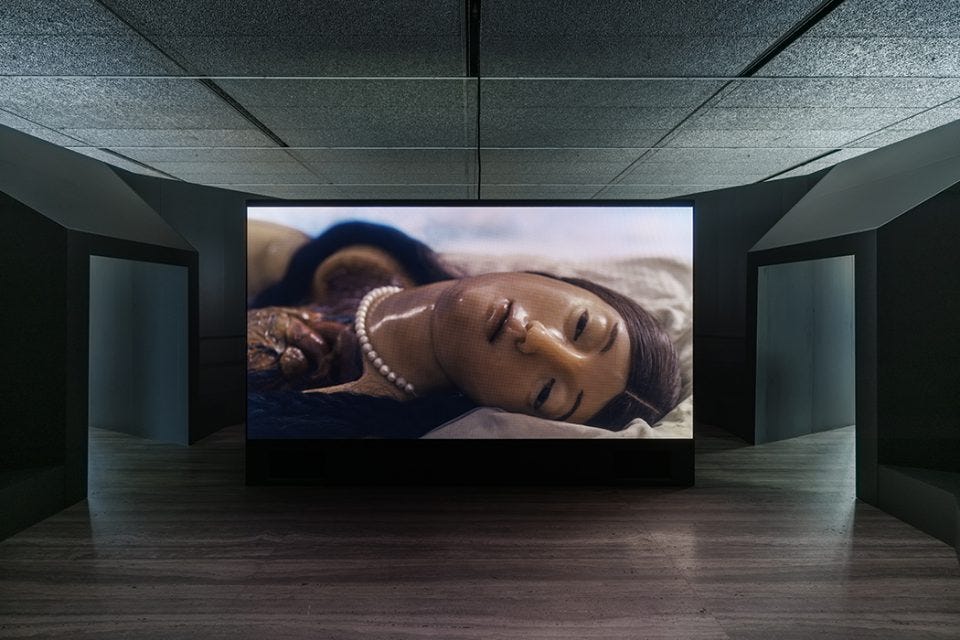
2023 Cronenberg exhibition of the Florentine anatomical wax models at The Prada Foundation, Milan.
Tirana. I visited the Albanian capital for the first time this year and was genuinely inspired. The city presents a blend of socialist architecture that’s been hijacked and reshaped by its inhabitants through the ‘Shtesa’ process, a bottom-up movement in which dwellers adapted their homes after the fall of communism, without architects, designers, or plans.
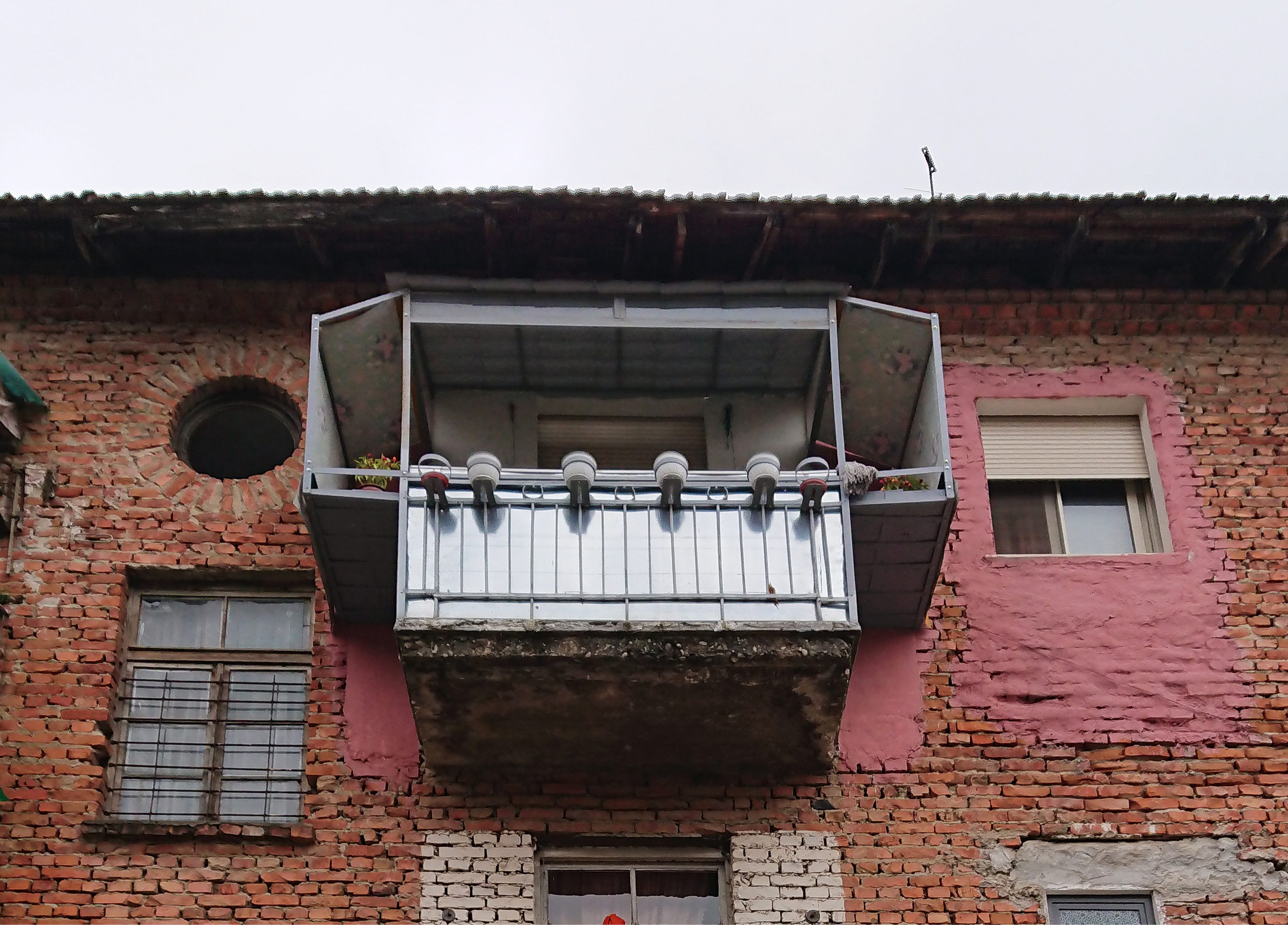
It’s a living manifesto of user design. At the same time, Tirana has become a playground for extroverted, eccentric architecture by global “starchitects”. The juxtaposition of these two worlds — improvised and avant-garde — is unique and inspirational.
Canadian Centre of Architecture on the Shtesa
Tirana: Unusual architecture in Tirana
What advice would you give to young people starting out in their career?
First, show up. Then, manage your emotions.
Bonus Questions
Why do you do what you do for work? from Jimmy
I work in PR and communications for RC, where I handle the written side — press releases, brand stories, and thought pieces — and manage international media services for our clients’ events. My partner, Tiziana Annone, is a photographer who looks after visuals and design. Together, we offer a ‘pronto-intervention’ approach for small companies and cultural initiatives, providing fast, thoughtful communication support when it’s needed.
What question would you like us to ask the next person?
Are you what you studied to be?
How can people connect with you, get involved, or take part in any of your projects?
Reach me at m.caines@rotcomm.com on Instagram @rc.comms,
or by subscribing to the RotComm newsletter.
Great interview, so many good points there